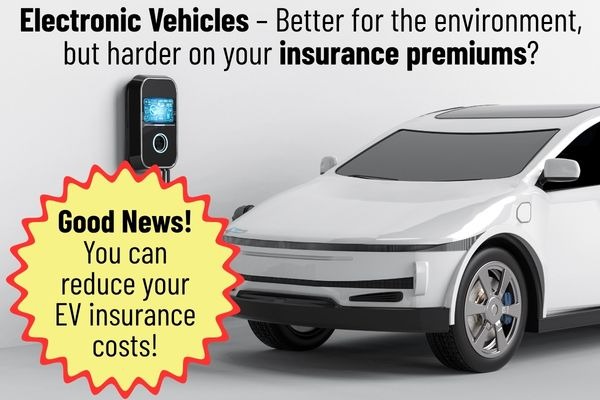
Electric vehicles (EV) tend to have higher sticker prices than comparable models that run on gas. But if you’re shopping for an EV, you might be surprised to discover that insurance, especially collision or comprehensive coverage, can also cost more.
That’s not only because of the higher price of the cars, although that’s one factor. EVs tend to cost more to insure because parts and labor are more expensive, leading to costlier repairs and higher rates of totaled vehicles. Let’s dive deeper into the factors that increase insurance costs for EVs and find out how you can lower your premium rates.
Advantages of EVs
Electric vehicles have some advantages over cars with internal combustion engines (ICE). With average fuel prices for ICE vehicles averaging over $4 per gallon right now, according to AAA.com statistics, EVs circumvent high fuel prices. Drivers also like the smooth, instant acceleration, zero emissions, and lower operating costs driven by less maintenance.
But you may find some of your savings diminished by the overall price of the vehicle and your car insurance costs.
Understanding EV Insurance
EV drivers require the same insurance as drivers of ICE vehicles. Insurance companies use the same underwriting guidelines and offer the same types of policies. But, EV insurance might be more expensive depending on the type of coverage you purchase.
Collision / Comprehensive Coverage vs. Liability
Car insurance policies have multiple parts, including liability, comprehensive coverage, collision, personal injury protection, medical payments coverage, and underinsured or uninsured motorist protection.
Some portions, like liability, are required in every state except New Hampshire, while other types of coverage may be optional.
Note: In New Hampshire, drivers must still be able to prove they could cover up to $75,000 in damages caused by an accident if they are found at fault.
If you have a policy with comprehensive and / or collision coverage, this coverage could cost more for your EV than a comparable ICE vehicle. On the other hand, the liability coverage, uninsured / underinsured motorist coverage, personal injury protection (PIP), and medical payment portions of the policy are typically priced similarly for both EVs and ICE vehicles.
Factors that Drive Up EV Insurance Rates
Here are five factors that lead to higher comprehensive and collision insurance costs for EVs.
More Expensive Cars
Comprehensive and collision coverage costs more for expensive cars. That’s because the insurance company r
if the car is totaled, the insurance company has to pay more to cover it.
In general, an EV has a higher sticker price than the ICE model of a similar car. Also, EVs like Tesla and Rivian are luxury vehicles that cost more. That’s one reason insurance may be higher on these models.
High Replacement Cost for Parts
More expensive vehicles are often made from premium materials that cost more to replace.That can drive up the cost of insurance for EVs.
Additionally, electric vehicle battery packs can cost between $5,000 and $20,000+, according to AAA.com. A battery could be damaged in a collision, leading to high repair or replacement costs. Depending on the age and value of your vehicle, the insurer might total the EV rather than pay for battery replacement.
EVs also have other components, like expensive sensors and other advanced technology, that cost more to replace if they’re damaged. Again, this only increases the rate on the comprehensive and/or collision portion of your insurance policy, not the basic liability portion.
High Labor Costs
It’s not just the parts in an EV that cost more. The labor to repair or replace these components also costs more. Electric vehicles represent newer technology, which means fewer mechanics are trained to work on these cars and they can charge a premium for their services.
More Severe Damage in Minor Accidents
EVs are not inherently more dangerous or more prone to accidents. But a minor fender bender can lead to hidden battery damage, requiring expensive battery replacement. Similarly, damage to the car’s panels or windshield could also cause damage to sensitive and pricey safety sensors, leading to expensive repair costs.
Diagnostic services to determine if a battery has been damaged in an accident costs more than diagnostics for ICE vehicles. You may not be able to tell, by sight, if an EV’s battery has been damaged. That means the insurance claim might be higher even if the damage appears to be minor.
Shorter History of Claims Data
Insurance companies use historical data from the region, the type of car, and the driver’s own history to help set insurance rates. EVs haven’t been around as long as ICE vehicles, which means the insurance company has less data to evaluate.
For instance, right now the Highway Loss Data Institute has ascertained that EVs have lower claim frequencies, but higher claim severity. That means there are fewer claims, but those claims tend to be more expensive. Over time, new patterns may emerge that change how insurance companies price policies for EVs.
A Note About Hybrid Insurance Rates
Like EVs, hybrid electric vehicles (HEVs) and plug-in hybrid electric vehicles (PHEV) may have higher repair costs for parts and labor if a vehicle is damaged in an accident. The dual-motor system requires specialized knowledge and tools to repair. Like an EV, if the battery in a hybrid vehicle is damaged, it could lead to a total loss.
Hybrid vehicles also have higher sticker prices than their gas counterparts. So if you’re purchasing comprehensive and collision coverage, the insurance for a hybrid could cost 5% to 15% more than a gas version of the same vehicle, according to LAInsurance.com.
Will EV Insurance Rates Drop?
The difference in average total-loss payments for EVs compared to ICE vehicles dropped from nearly $14,000 in 2013 to $1,810 in 2019, according to data from the National Association of Insurance Commissioners.
That gap could narrow even more over time, leading to lower insurance costs for EV drivers. Additionally, as EV technology advances, prices for components could fall. Newer battery technology could lead to lower prices. Similarly, as more trained EV technicians enter the workforce, labor costs could drop, too.
How to Reduce Your EV Insurance Costs
It’s smart to protect your EV investment with a full coverage insurance policy. If you leased or financed your vehicle, the lessee or lender will require comprehensive and collision coverage. They might also require gap coverage to pay off the loan if you owe more than the vehicle is worth and the car is totaled in an accident.
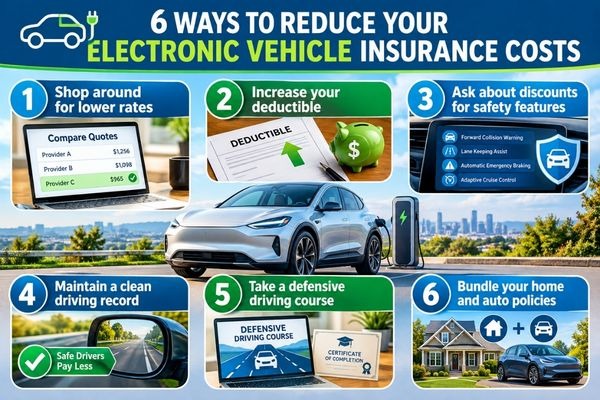
With that in mind, there are still ways to lower your insurance costs:
- Shop around for lower rates
- Increase your deductible
- Ask about discounts for safety features
- Maintain a clean driving record
- Take a defensive driving course
- Bundle your home and auto policies
Once you’ve paid off the vehicle, you may decide it’s worth reducing your coverage to the required liability amounts and skipping collision and comprehensive coverage. That can substantially lower your insurance rates on your EV. But remember, you may have to pay out-of-pocket if your car is damaged, so make sure you can take that risk with your budget.
Conclusion
Comprehensive and collision insurance for EVs typically costs more than the same policies for a similar gas vehicle, while liability coverage costs about the same for EVs or ICE vehicles. To get the best price for your EV, shop around and compare rates.
The information provided on this website is for general informational and educational purposes only and should not be considered legal, financial, or insurance advice. While we strive to keep content accurate and up to date, insurance laws, policies, and regulations can vary by state and may change over time.
Nothing on this site constitutes professional advice or a recommendation of any specific insurance product, provider, or strategy. You should consult with a licensed insurance agent, financial advisor, or legal professional regarding your individual situation before making any decisions.
Sources
https://www.carfax.com/buying/hybrid-electric-tax-credits
https://mwg.aaa.com/insurance/car/articles/agent-type-of-car
https://www.thehartford.com/aarp/car-insurance/electric-vehicle/are-hybrids-more-expensive-to-insure
https://content.naic.org/insurance-topics/electric-vehicle-insurance-rates
https://www.progressive.com/answers/car-insurance-cost-for-electric-vehicles
https://www.aaa.com/autorepair/articles/how-much-does-an-ev-battery-replacement-cost
https://wpinsure.com/blog/electric-vehicles-cost-more-to-insure
https://lainsurance.com/blog/are-hybrid-cars-more-expensive-to-insure