When you have insurance coverage, you assume that the policies protect you when something bad happens. That’s why we pay the premiums, right? But there are situations when standard home, auto, and life insurance policies aren’t enough to cover the financial risks you’re facing. Unfortunately, by the time you realize you’re at risk, it could be too late to get approved for coverage. Here are 15 insurance policies you didn’t know you needed and how they can protect your finances.
Common Forms of Insurance Aren’t Always Enough
Most of us have insurance because we need to have it or we’re trying to protect something. The auto lender requires car insurance, and your mortgage lender makes you buy homeowner’s insurance. Workers often have life insurance to replace their income when they die or a disability policy if they can’t work. In my experience, these policies aren’t enough to adequately cover the risks we all face throughout our lives.
Here are a few reasons for additional coverage that I’ve seen with my clients:
- Policy limits. Many policies have maximum coverage amounts that are below the financial risks you have if there’s a claim.
- Exclusions. Insurance policies may exclude certain events or types of risk, and policyholders may not realize there’s a gap.
- Niche risks. Some risks happen so seldom that it isn’t worthwhile for insurance companies to have every customer protect against it.
- Limited-time risks. You may face the risk for a limited time, so it doesn’t make sense to pay for a long-term policy to cover a short-term event.
- Unexpected situations. With AI, crypto, mobile apps, and other new technologies, the world often evolves faster than standard policies can. Having a catch-all type of policy or one that addresses specific events can make sense.
15 Insurance Policies You Need to Know About
No insurance policy is large enough to cover every conceivable type of risk. And, if it were, the premiums would be unaffordable to most people anyway. In my experience, the best way to insure your family is to identify your biggest risks, then purchase coverage when it makes financial sense. Here are a few of the most common risks you may not be covered against.
Gap Auto Insurance
When you drive a new vehicle off the lot, it drops in value almost immediately because it’s now a used car instead of a new one. While most people don’t get into an accident right away, it happens more often than you think. If you need to replace your vehicle, it’s possible that the amount you receive from the insurance company is less than your loan balance, especially if you have a small down payment. This “gap” can be covered with a gap auto policy, which may be required by your lender. Dealerships often sell these policies during the financing process, but you can also buy gap insurance on your own later on.
Uninsured Motorist
Most states require drivers to have insurance, but not everyone has it. Some drivers stop paying premiums once they get their license, while others don’t even have one. If you’re hit by someone without insurance, uninsured motorist policies pay for your car to be repaired and cover medical expenses from the accident. This coverage is an addition to the liability coverage required by states, so review your auto insurance to ensure you have it.
Underinsured Motorist Coverage
Even when a driver is insured, it is possible that they purchased the minimum required amount to save money. When this happens, your claims for repairs and medical expenses are capped at their policy limits, even if your bills are much higher. Underinsured motorist coverage tops off their policy limits, so you have the protection that you need if there’s a claim.
Renter’s Insurance
As a real estate investor, I’ve come across many tenants who didn’t realize that my landlord insurance policies only covered the physical structure against fire, theft, and other damage. My policy did not cover any of the tenant’s property, such as their furniture, electronics, or clothing. That is why I recommend all of my tenants to purchase renter’s insurance. It protects their assets in case something happens to the home that causes damage to their property.
Flood Insurance
Homeowners often think that they’re covered by their homeowners’ insurance when a storm hits. While these policies cover some damage, if the insurer decides that the damage was caused by a flood, your claim may be denied. If your home sits within a designated flood zone, the lender may require you to purchase flood insurance. However, 32% of claims happen outside of high-risk flood areas. Purchasing flood insurance as an add-on to your homeowners’ policy will close this gap in your coverage.
Sinkhole Insurance
In some parts of the country, your home is at risk of falling into a sinkhole. Coming from California, I didn’t know much about sinkholes. But when I moved to Nashville and toured the Corvette Museum in Bowling Green, I witnessed just how devastating sinkholes can be to homes and businesses. A sinkhole policy will protect you in case your home is damaged or a sinkhole affects your property and causes your home to be at risk.
Earthquake Insurance
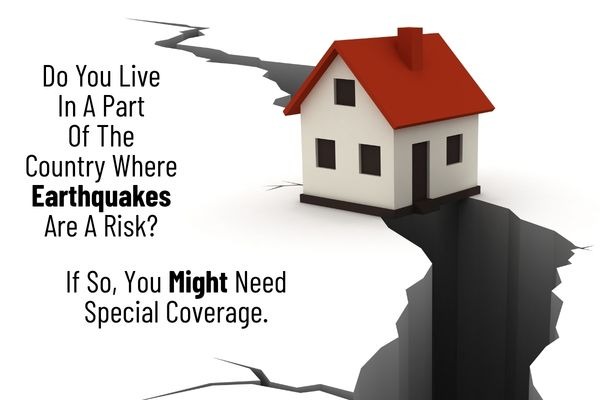
Homes in certain parts of the country may need a supplemental earthquake policy, as this risk is specifically excluded from most homeowners’ insurance. I lived in California for most of my life, and while big earthquakes are rare, I’ve seen firsthand how even modest tremors can cause cracks in your walls and foundation. These policies can be expensive, which is why we were part of the 90% of Californians who didn’t have earthquake insurance.
Pet Liability
Many pet owners have pet insurance to cover medical expenses, prescriptions, and regular checkups. But what happens if your pet bites someone or destroys someone’s property? Pet liability insurance covers third-party medical expenses, property damage, and legal fees if your pet injures someone or causes property damage. Some policies may exclude coverage for certain dog breeds or exotic animals, so read the fine print before purchasing this coverage.
Valuables Insurance
Homeowners’ insurance covers your home and everything inside. However, there are limits to what it covers, especially for valuable items. Many insurance companies allow you to add a rider (or endorsement) to your policy to cover specific jewelry, electronics, guns, and other expensive items. Otherwise, you can purchase a separate policy to cover those items. For example, I have an insurance rider that covers my wife’s engagement ring.
Home Cyber Insurance
Businesses have software, IT experts, and insurance protecting them in case their computers are hacked. But most consumers don’t have this protection, even though they may be at greater risk of falling victim to hackers. A home cyber insurance policy covers the financial risks of cybercrimes, such as online fraud, ransomware attacks, identity theft, and attacks on internet-connected devices.
ID Theft Insurance
ID theft insurance works similarly to home cyber insurance, but it focuses specifically on the expenses related to someone stealing your identity. In my opinion, you are better off purchasing a home cyber insurance policy to avoid coverage gaps.
Cancer Insurance
A cancer diagnosis can be devastating to your health, mentality, and wallet. Cancer insurance is a supplemental policy that offsets the out-of-pocket costs that aren’t covered by your medical insurance plan. However, instead of the money going to the doctor, the cash is paid directly to you in a lump sum, so you can use it as you see fit. The money can be used to cover deductibles, copays, lost wages, travel, and other living expenses. AFLAC is one of the most well-known names in this industry.
Wedding Insurance
What is supposed to be one of the happiest days of your life can turn into a financial nightmare without wedding insurance. While it won’t guarantee that you live happily ever after with your spouse, it will cover your expenses if your big day is canceled or ruined by something outside your control. Coverage includes problems with your wedding location, weather, vendor no-shows, sudden illness, and more.
Drone Insurance
Flying a drone may seem like fun, but these advanced electronics can pose risks that expose you to financial liability. Their speed and aerial flight can cause problems with airplanes, helicopters, power lines, homes, businesses, people, and more if they crash into them. Having proper licensing and drone insurance is a smart way to cover those risks.
Umbrella Policies
An umbrella policy increases the policy limits on your other insurance coverages and fills in some of the gaps of those policies. I’ve seen clients use these policies to increase the liability protection on their home, auto, and business insurance when those protections were maxed out. In my experience, insurers typically require that you have a primary insurance policy with them before they offer an umbrella policy. This reduces their exposure in case you cancel the primary policy with another insurer, leaving them to cover the full amount of the claim.
The Bottom Line
Insurance is a critical piece of any financial plan. When I worked in financial services, we always made sure that clients saved for the future, while also protecting their assets today. Lenders require us to have basic coverages for our home and auto, but there are other risks that we must plan for to avoid getting hit with a nasty surprise. While all of these risks may not apply to your specific situation, you probably have a gap in your insurance coverage that should be addressed to protect your finances.
The information provided on this website is for general informational and educational purposes only and should not be considered legal, financial, or insurance advice. While we strive to keep content accurate and up to date, insurance laws, policies, and regulations can vary by state and may change over time.
Nothing on this site constitutes professional advice or a recommendation of any specific insurance product, provider, or strategy. You should consult with a licensed insurance agent, financial advisor, or legal professional regarding your individual situation before making any decisions.
Sources
- Allstate, What is gap insurance? Published January 2026.
- Progressive, What is uninsured motorist coverage? Accessed May 12, 2026.
- Mercury Insurance, Renters Insurance. Accessed May 12, 2026.
- FEMA, Flooding Happens Everywhere. Accessed May 13, 2026.
- Progressive, Does homeowners insurance cover sinkholes? Accessed May 13, 2026.
- Liberty Mutual Insurance, Guide to pet liability insurance for renters. Accessed May 13, 2026.
- Travelers Insurance, 5 Tips to Protect Your Possessions with Valuable Items Insurance Coverage. Accessed May 14, 2026.
- Travelers Insurance, Umbrella Insurance Coverage. Accessed May 14, 2026.
- Mercury Insurance, Home Cyber Protection. Accessed May 13, 2026.
- Aflac, Cancer Insurance. Accessed May 14, 2026.
- The Knot, Skipping Wedding Insurance Is a Big Mistake. Published March 23, 2026.
- FEMA, Earthquake Insurance. Accessed May 14, 2026.
- Skywatch, Drone Insurance Made Easy. Accessed May 13, 2026.