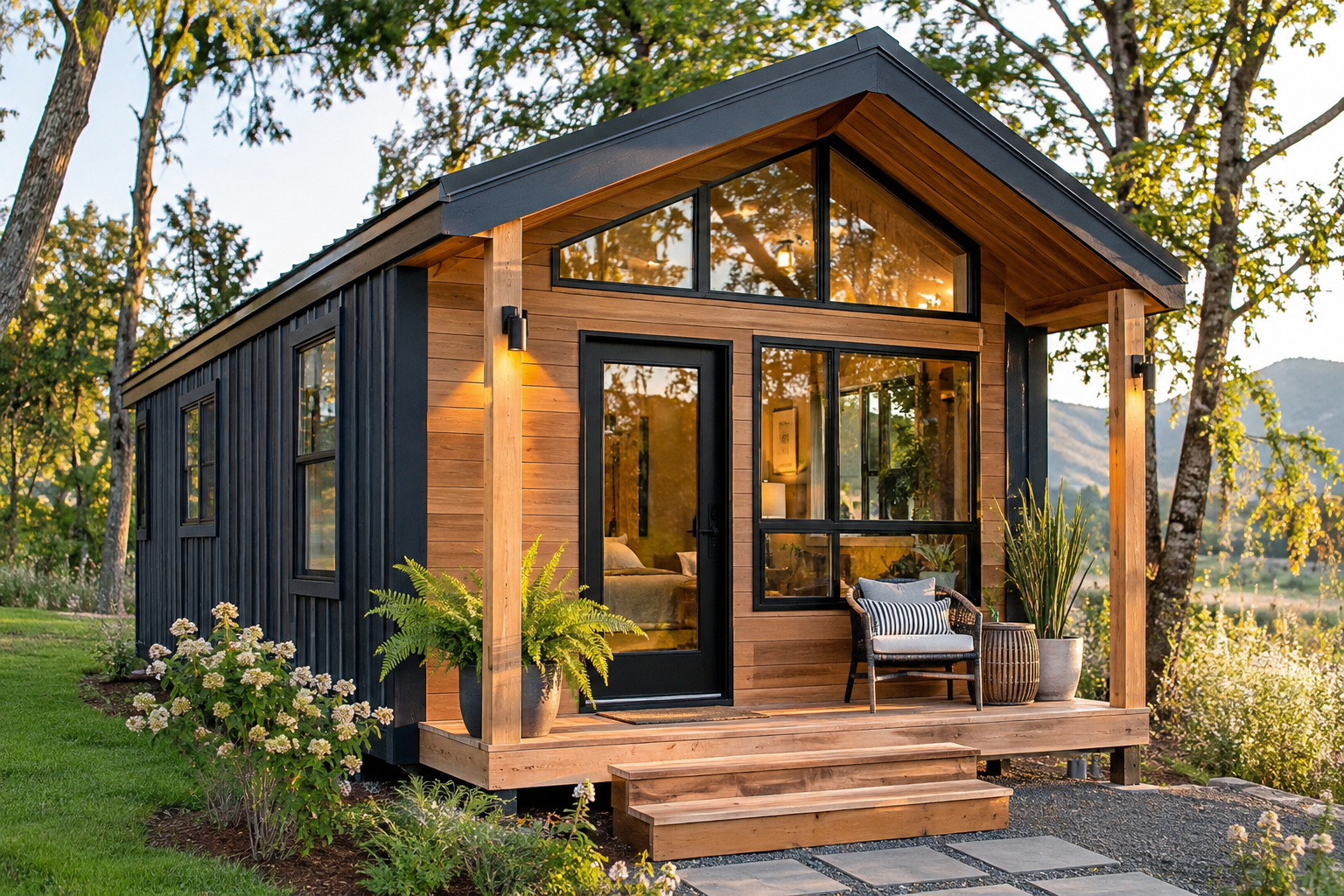
Are you considering buying or building a tiny home or looking to insure yours? Insuring a tiny home presents unique challenges, since regular insurance policies typically don’t cover homes measuring less than 400 square feet. Classifying the home correctly is important to get the right insurance coverage and avoid overpaying. Identify the type of tiny home you have, and the insurance risks related to your tiny home. Then shop around for the best rates on the coverage and policy you need.
Just How Small Is a Tiny Home?
The International Residential Code defines a tiny house as a residential building with 400 square feet or less of floor area, not including lofts. Just like a regular house, it has spaces for living, cooking, eating, sleeping, and a bathroom. Acceptable ceiling height may be lower than in a regular house, but egress requirements, or a means to escape in case of a fire or flood, tend to be the same as in regular homes.
Some people consider a tiny house anything under 600 square feet, but these “larger” tiny homes typically fall under the rules for traditional home insurance.
Benefits of Tiny Homes
Tiny homes have big benefits for many homeowners. With Gen X and millennials increasingly squeezed out of the traditional housing market by high home prices and mortgage rates, houses under 400 square feet or so offer a viable solution.
The average tiny home measures just 225 square feet, or nine times smaller than the average house, according to data from Ruby Home Luxury Real Estate. There are roughly 10,000 tiny homes in the US.
Tiny homes typically offer:
- Lower upfront cost
- Lower electric and utility costs
- Smaller carbon footprint (more eco-friendly)
- Lower maintenance costs
- Reduced taxes (since the property is typically smaller)
- Lower home insurance costs (because there’s less square footage to insure)
- Simplified lifestyle
Types of Tiny Homes
There are several types of tiny homes, and each one may need a different type of insurance policy.
Tiny Homes on Wheels (THOWs): Constructed on a trailer with wheels and can be moved if hooked up to a vehicle capable of towing; typically insured through RV insurance, including “full-timers” coverage
Tiny homes on permanent foundations: Owners may want a tiny home insurance policy that covers the dwelling, personal property, and liability coverage
Off-grid tiny homes: Any type of tiny home can be built “off-grid,” which means it isn’t connected to the electric grid and relies on some form of alternative energy, like solar panels; you may need a special policy or an endorsement to cover those systems
Tiny homes under construction: May require special policies for the dwelling and liablity during the building phase
Do You Need Insurance on Your Tiny Home?
As with a regular house, you may not need home insurance for your tiny home, but you may not want to take the financial risks of going without.
As with a regular home, you may not have to carry dwelling coverage unless your mortgage company requires it. Roughly 68% of people who own tiny homes don’t have a mortgage, according to data from BuildingElements.com.But if you do have a home loan for your tiny house, your lender will likely require insurance to protect their investment.
If you live in a Homeowners Association or RV park, the HOA or property owner may require a liability policy.
Even if it’s not required, it’s smart to insure your tiny home.
With an average listing price of $67,000, tiny homes run 87% cheaper than regular houses. But the price per square foot is more than one-third (38%) more than a regular house.
Tiny home dwelling coverage protects your financial investment in your home, while a liability policy provides the financial protection you need if someone is injured on your property or inside your home.
A Note About Insuring Tiny Homes on Wheels
Some tiny houses are on wheels. Tiny houses built on a mobile foundation similar to an RV trailer and, designed to be towed regularly, may qualify for RV insurance. You can learn more about how to insure an RV or mobile home here.
On the other hand, if you have a house under 400 square feet built on a solid concrete foundation, not on wheels, you’ll want to find home insurance specifically for your tiny home.
Insuring Your Tiny Home
Many traditional carriers don’t offer home insurance for tiny homes, but a few do. Some insurance companies that may cover tiny homes include State Farm, Foremost, and American Modern.
Sometimes, insurers will cover your tiny home through a “mobile or manufactured home” policy, which is different from an RV policy. Many insurers will want proof that your home is certified by the National Organization of Alternative Housing (NOAH), for tiny homes on wheels, the RV Industry Association (RVIA). If you built your home yourself and it’s not certified, it may be harder to find coverage.
Most companies that sell tiny home insurance require you to call for a quote rather than receiving one online.
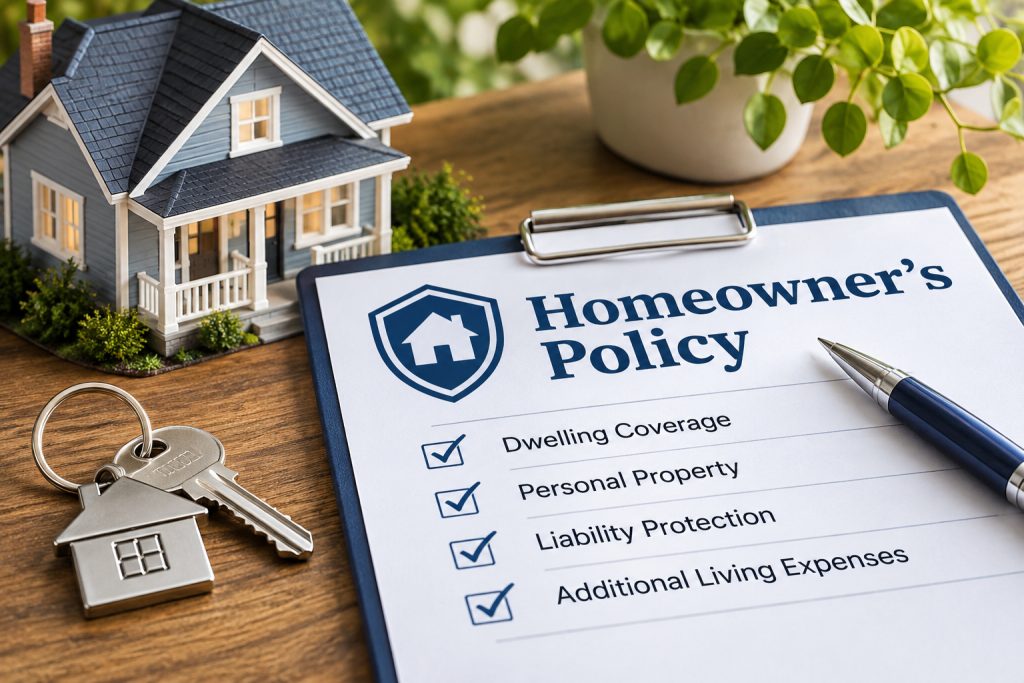
Just like regular home insurance, a tiny home or manufactured home policy has four elements it covers:
- The structure of the home (dwelling coverage)
- Your personal property in the home
- Liability and personal injury protection (PiP) if someone is hurt inside your tiny home or on your property
- Living expenses (additional living expenses, or ALE) if your tiny home is uninhabitable following a covered loss
Factors Affecting Tiny Home Insurance Rates
Tiny home insurance typically costs less than a traditional home insurance policy. The average annual premium for a stationary tiny home built on a foundation is between $700 and $1,500, according to Insurify. An RV-certified tiny home that is a permanent residence averages between just $250 and $1,500 annually.
On the other hand, the average home insurance rate for a house with $400,000 worth of dwelling coverage in the US in 2026 is $2,490 per year, according to research by NerdWallet.
Tiny homes cost less because they are smaller, cost less to build or replace, and have less personal property inside to cover.
Factors that affect your insurance rate include:
- The state where you live
- Regional risk factors, such as frequent wildfires or hurricanes (homes in flood zones may require a separate flood policy)
- The size and cost of the home
- The type of tiny home (stationary or mobile)
- Whether the home is certified or a DIY build
As with other home insurance policies, your deductible, claims history, and even your credit score (in some states) may also affect your home insurance rates.
Insurance If You’re Building Your Tiny Home
Many people who own tiny homes are industrious do-it-yourselfers who opt to build their dwelling by themselves or using a kit.
If you have someone else build your home, the builder typically carries their own insurance. But if you’re building your own tiny home, you’ll want builder’s risk insurance.
A builder’s risk policy covers your home while it’s being built, protecting against financial loss in case of damage caused by:
- Fire
- Theft or vandalism
- Storms (in some cases)
- Vehicles
A builder’s risk policy covers the materials and labor that go into building the home. It doesn’t cover personal injury or liability if someone is injured on your property. You’ll need a general liability or umbrella policy
Once your home is complete, you may qualify for a tiny home or an RV policy, depending on your home’s foundation.
Moving Your Tiny Home
If your tiny home isn’t built on wheels, you might still want to move it. Tiny homes are typically small enough to tow on a flatbed truck.
Since moving your tiny home puts it at risk of damage on the road, you’ll want to insure it during transport. Companies like Progressive offer a transit endorsement option. This policy doesn’t cover liability, and it doesn’t cover the home’s contents. You’ll want to secure your personal belongings or ship them separately through a mover that has their own insurance.
A transit endorsement is required for occasional moves. It won’t cover frequent moves; if you’re traveling with a tiny home on wheels, you’ll need an RV policy designed for a travel trailer, instead.
Conclusion
Moving into a tiny home can be a smart financial move but it may come with a major lifestyle change. Making sure your investment is insured with the right company can provide the peace-of-mind you want as a homeowner.
The information provided on this website is for general informational and educational purposes only and should not be considered legal, financial, or insurance advice. While we strive to keep content accurate and up to date, insurance laws, policies, and regulations can vary by state and may change over time.
Nothing on this site constitutes professional advice or a recommendation of any specific insurance product, provider, or strategy. You should consult with a licensed insurance agent, financial advisor, or legal professional regarding your individual situation before making any decisions.
Sources:
https://www.truvo.com/blog/tiny-home-insurance-what-owners-need-to-know
https://noahcertified.org/comparing-certifications-of-tiny-house-builds/ https://insurify.com/homeowners-insurance/tiny-house-insurance/
https://www.nerdwallet.com/insurance/homeowners/learn/average-homeowners-insurance-cost
https://insureaustin.com/tiny-home-insurance-cost-what-to-expect
https://www.progressive.com/rv-insurance
https://www.progressive.com/answers/insurance-for-tiny-home