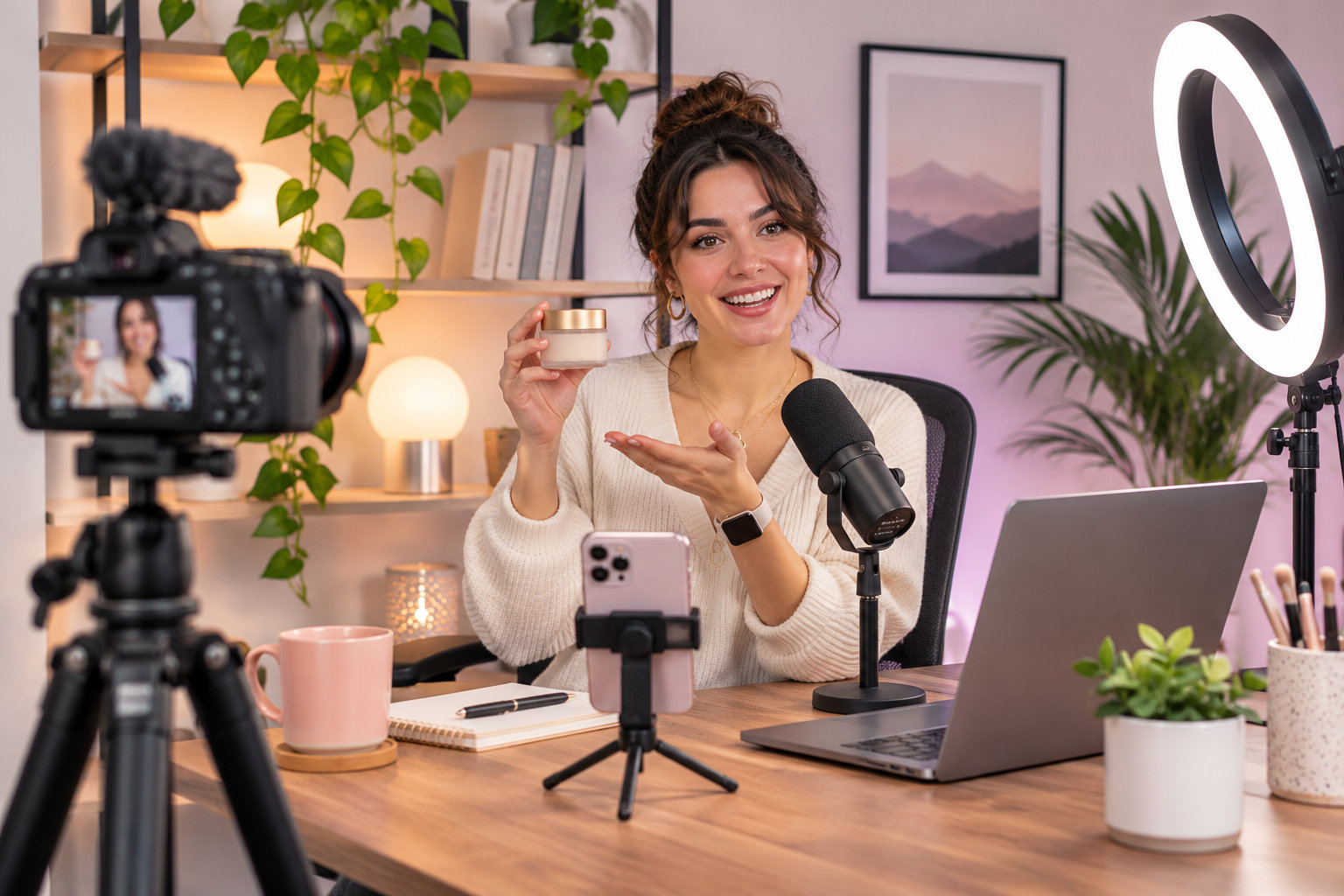
Who would have thought, decades ago when people were playing around on MySpace, that “social media influencer” or “content creator” would become a viable career today? And, just like other professionals, influencers and content creators may need liability insurance to protect their financial interests in case of a lawsuit. Content creators are particularly in danger of copyright infringement and defamation lawsuits, but there are also other risks. This article covers the types of insurance social media professionals need to protect their reputation and financial interests, how much it costs, and where to buy it.
Influencer and Content Creator Salaries: Pay That’s Worth Protecting
Pay for influencers and content creators varies widely. Nearly half of American creators earned less than $10,000 in 2025, according to a report from Gigapay. On the other hand, 2% earned $250,000+, while celebrities like Alex Cooper, Dhar Mann, and Mr. Beast regularly bring in eight figures annually.
Whether you make a side income of a few hundred a month or a steady paycheck that provides for your family, you want to protect your hard-earned dollars, as well as your other assets, from a lawsuit. That’s why it’s important to have the right insurance coverage, including errors & omissions or media liability insurance, to protect your financial interests.
How Influencers and Content Creators Get Paid
An influencer is someone with a lot of engaged followers who earns money in a variety of ways because people trust their opinions. Brands often pay influencers to promote their products. Content creators earn money for the creation of their content, such as videos, social media posts, and newsletters.
Both content creators and influencers can get paid through:
- Ad revenue
- Activations or brand deals
- Affiliate marketing
- Subscriptions
Insurance for Content Creators and Influencers
The way they earn their income puts content creators and influencers in the public eye, which can open them up to liability and lawsuits that many other types of workers or business owners don’t necessarily face.
Now that we understand how content creators make money, let’s look at the types of insurance they should carry to protect their financial interests and their reputation. Whether you’re thinking of entering this field or are already creating content for an audience, it’s important to know the insurance you’ll need.
Media Liability Insurance
While every business should carry liability insurance, media liability insurance is usually a separate policy designed for any business or individual that publishes content, including influencers and content creators.
Media liability insurance covers certain claims, like copyright infringement and defamation, that may be excluded under a general liability policy. Some insurance companies sell a product designated as “influencer insurance,” specifically, but media liability insurance covers the same risks.
Defamation
A defamation lawsuit can happen if someone claims an influencer said or wrote something negative about a company or individual and it damaged their reputation, leading to a loss of income or other negative effects. Libel is written defamation, while slander is spoken.
Defamation may also include product disparagement or injurious falsehoods, either written or spoken.
Media liability insurance can cover the legal costs to defend the content creator, as well as any settlement costs or court-ordered payments for damages in these type of cases.
Example #1: One of the most famous cases of defamation involving influencers happened in 2022 when YouTuber Tasha K made false claims about performing artist Cardi B. The court found in favor of Cardi B, and Tasha K was ordered to pay $4 million.
Example #2: A product reviewer reports that a food makes false claims on its label – such as a company that claims to make gluten-free bread but actually uses wheat. If the allegation is false, the manufacturer could sue the reviewer for libel if it’s a written review or slander if it’s a video review.
Invasion of Privacy
Content creators, especially those who regularly report on other celebrities, open themselves to the risk of Invasion of Privacy allegations. An invasion of privacy lawsuit may result if a creator shares private information about someone else if that information is not of concern to the public.
While some commercial general liability policies cover this risk, media liability policies may offer more extensive coverage.
Example: A travel creator records another guest in a water park who lost her bikini top on a water slide. The creator posts the footage without her consent and without obscuring her identity.
Copyright infringement
Media liability insurance or influencer insurance also covers copyright infringement. Today, it’s easier than ever to find and use photos or songs to use in published content. But if those photos or songs were created by someone else, it’s also easy for the original creator to find their stolen work and sue for copyright infringement. Media liability insurance can help cover legal costs, settlements, and damages related to copyright infringement claims.
Example: An influencer uses an artist’s song in a sponsored video for a brand. Even if they credited the original artist, this is a violation of IP rights. The artist can sue the influencer for copyright infringement.
Intellectual Property Infringement Liability Insurance
You may not need intellectual property (IP) infringement liability insurance if you have a media liability insurance policy. But a separate IP infringement policy can help pay legal costs if you file a claim against someone else for stealing your intellectual property, including original photos, videos, and written content.
Exclusions in Media Liability Coverage
It’s important to read your policy carefully, since media liability insurance can have several exclusions, or circumstances where the insured party isn’t covered.
Willful Misconduct or Knowing Wrongdoing
A claim may not be covered if, after trial, it’s determined that the insured committed fraud, acted out of malice, or knew what they were doing was wrong.
Contract Disputes
Media liability coverage doesn’t cover contract disputes, but an E&O or professional liability policy might.
Bodily Injury or Property Damage
These claims would be covered under a commercial general liability policy or a business owner’s policy (BOP).
Other Business Insurance for Influencers and Content Creators
A media liability policy can protect influencers and creators against certain claims common in their field of business. But it’s smart for these professionals to also consider other insurance to fill risk gaps common to most businesses.
General Liability
General liability insurance covers business owners for property damage and personal injury claims that occur at your place of business, even if you are working remotely at a pop-up event. You may need general liability insurance if:
- You invite guests to your home studio
- You film at a remote location
- The brands you work with require the coverage
Professional Liability / E&O Insurance
Professional liability / E&O insurance can protect you if a client claims you didn’t fulfill the terms of the contract. It may also protect you if you give someone advice in a post or video that unintentionally harms them.
BOP or Equipment Coverage
A business owner’s policy (BOP) typically combines general liability and E&O plus coverage for your equipment. As a content creator, your computer, phone, ring lights, microphones, headphones, and other equipment are crucial to operating your business. If these items are lost, stolen, or damaged, they can be expensive to replace. Home insurance policies don’t necessarily cover business equipment within your home, but a BOP will.
Cybersecurity Insurance (Cyber Insurance)
Most general liability policies don’t include damage or loss-of-work related to cyber attacks. Cybersecurity insurance protects your equipment and can pay to repair or replace your technology while also covering loss-of-work.
Cyber insurance is especially important if you have a mailing list or store your followers’ personal information. If your computer is hacked and their data is stolen, cyber insurance can help cover costs associated, including legal fees.
Conclusion
General liability insurance is only the start of business protection for influencers and content creators. A media liability insurance policy can protect your business if you’re facing claims of copyright infringement or defamation.
https://www.gigapay.com/blog/american-influencers-earning-in-2026
https://www.measure.studio/blog/content-creators-vs-influencers
https://www.golaw.com/invasion-of-privacy-public-disclosure-private-facts
https://www.aon.com/en/capabilities/risk-transfer/intellectual-property-liability-insurance
https://www.usnci.com/guides/influencercoverage