If you’re one of the roughly 18.5 million digital nomads in the US, you could face challenges finding car insurance. Digital nomads, or people who travel and work remotely from wherever they happen to be, make up about 12% of the US workforce, according to data from FMC Group.
Auto insurers typically use a home address to help determine rates. Car insurance requirements also vary by state. For digital nomads, who may live and work in different states, or even countries, finding a policy that offers the coverage you need can be difficult, but not impossible.
What Is a Digital Nomad?
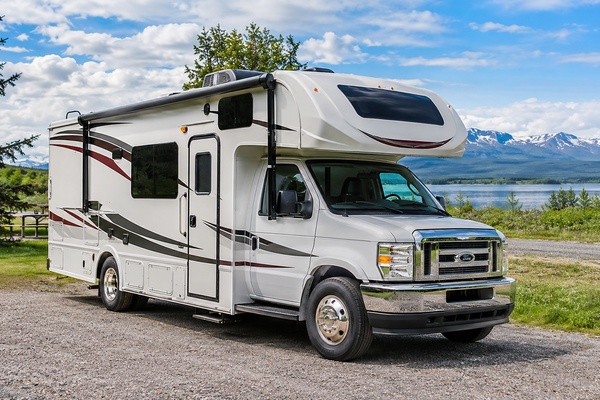
A digital nomad may live in an RV and travel across the US, working remotely from campsites across the US. Or they may drive a car and stay in an Airbnb or an extended stay hotel. Some digital nomads even travel outside the US, staying in hostels, hotels, or Airbnbs in countries across the world. They might keep a car in the US to use when they return, which adds further complications to the insurance conundrum.
Why Insurance Prices Vary By State
Where you live plays a large role in your auto insurance policy and rates, which is why it’s challenging for insurance carriers to write policies for digital nomads who move between states. It’s not practical to write a new auto insurance policy every few weeks, so drivers, instead, need a policy that will cover them wherever they are, even if they don’t have a physical address.
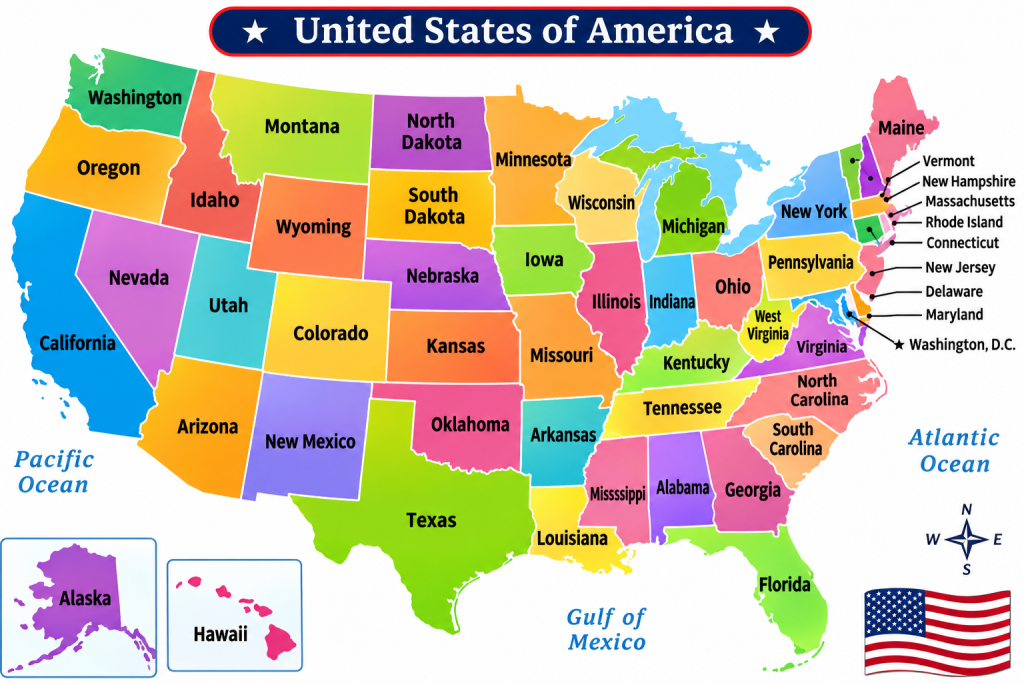
Insurance Requirements Vary By State
State legislation determines how much liability coverage and personal injury protection (PIP) coverage you need.
Insurance requirements are typically reflected by three numbers:
- Bodily injury per person
- Bodily injury per accident
- Property damage per accident
That means a state requiring $25,000 for bodily injury for one person, $50,000 for two or more people, and $10,000 for property damage per accident, like New York, would be reflected as 25/50/10.
In addition, states may require PIP and uninsured motorist coverage with specific limits. New Hampshire is the only state that doesn’t have insurance liability requirements, but drivers must prove they can cover the costs of any bodily injury or property damage resulting from an accident where they were at fault.
Insurers Use Location to Measure Risk for Car Insurance Policies
It’s not just the insurance requirements that vary based on where you live. Where your car is parked, or “garaged,” in industry terms (even if you don’t actually park your car in a garage) can change your rates.
For instance, if you live in a high-crime area where your car is more likely to be stolen or suffer vandalism, your insurance rates may be higher for collision or comprehensive coverage. If you live in a highly populated area, your liability and comprehensive rates could be higher because there’s increased risk of an accident due to higher traffic density.
If you don’t have a permanent address, insurers can’t use these metrics to help determine your rates. It puts you in a different risk category. Fortunately, there are ways you can get insurance wherever you live or travel. The type of policy you need depends on where you live (in the US or abroad) and the type of vehicle you drive.
Insurance with a Domicile Address in the US
If you spend most of your time in one state in the US and also have your driver’s license there, you may be able to set up a domicile address in that state. This should be the state where your car is registered.
You may be able to use a digital mailbox and virtual mailing address, but it’s better to use the address of a friend or relative in that state if you can. If you also receive mail there, you can present a strong case that you “live” there, even if you spend most of your time on the road.
Make sure that the address on your license, registration, where you receive your mail, and where your car is insured all match. Misrepresenting this information can result in having a claim denied or having your policy canceled.
You usually cannot use an Airbnb, hotel, campground or YMCA as the garaging address for your vehicle, because these are not permanent addresses. There might be exceptions for people who live in an RV and spend months in one state or on one campground.
Wherever you’re staying, a good idea to keep receipts from campgrounds or hotels to prove you are within the vicinity of your vehicle’s address and have spent most of your time in the state where your car is insured..
If you aren’t sure what to enter as your address for your auto insurance policy, speak to an insurance agent when you request a quote.
Moving Between States
If you’re spending more than a few weeks in a different state, make sure your policy meets or exceeds that state’s minimum coverage requirements. If you split time between multiple states in a region, your policy should meet the standards of the state with the highest requirements.
Again, misrepresenting where you live and park your vehicle most of the time could lead to policy cancellation or claims denial.
Insurance Requirements for RVers
As with other drivers, RV owners have to carry bodily injury and property damage liability coverage that meets or exceeds the state’s limits where they are registered and insured.
If they have a loan on their RV, the lender may also require comprehensive and collision coverage.
Travel trailers, which are towed by a vehicle, aren’t required to carry liability coverage, since the vehicle towing it should be insured. But you may want to carry collision or comprehensive coverage to protect your investment, especially if the trailer also serves as your home.
Insurance for RVers
If you live and work from your RV or a converted van, you should follow similar rules as digital nomads who travel with a car:
- Make sure your driver’s license, car registration, and insurance addresses match
- Make sure your car is insured in the state where you spend the most time
- Establish a legal domicile address where you receive mail
RVers who join the Escapees RV Club can gain access to the Escapees Mail Service, which offers a legal domicile, street address, personalized mail forwarding and a digital mailbox, making it easier to live and work on the road.
Insurance for Full-Time RV Coverage
You may be able to use your RV as your permanent address if you live in it more than six months out of the year, according to Progressive.
In addition to liability insurance and collision or comprehensive coverage while your RV is in motion, full-time RVers may also want insurance that covers:
- Personal liability
- Medical payments
- Property loss
This is similar to home insurance for someone who owns a house. If someone is injured in or around your RV, your personal liability and medical payment insurance covers that risk. Likewise, if your RV park or campground charges guests for damage to the property, loss assessment coverage could pay for that damage.
Additionally, just as you would want home insurance to cover your home and its contents in the event of damage, a full-timers RV policy protects you from financial loss if your RV and its contents are damaged while the vehicle is stopped.
Speak to an insurance agent above customizing an RV policy based on your needs.
Insurance for Ex-Pat Digital Nomads
If you’re a digital nomad living overseas but keep a car garaged in the US, you’ll need to keep your car insured as long as it’s registered and could be driven. Some states, cities or municipalities prohibit keeping an uninsured, unregistered vehicle parked on the street. Some states may allow you to keep the vehicle on private property, such as in a driveway, while others require it to be hidden from view, either in a garage or behind a fence. Check with a local insurance agent where you plan to keep your car to determine what coverage you need to maintain while you’re overseas.
If you plan to buy a car and drive overseas, you’ll need a car insurance policy from that country. Check with an insurance agent that serves international customers.
If you intend to rent a car abroad, you can purchase international rental car insurance.
Don’t Let Car Insurance Stop You From Living Your Dreams as a Digital Nomad
It’s entirely possible for digital nomads to get car insurance at a reasonable rate. The other factors that affect your car insurance rates, including your driving record and type of car you drive, still apply to digital nomads.
As more people adopt a digital nomad lifestyle, insurers will become more accustomed to writing car insurance policies for people who change addresses often. Shop online for insurance quotes to find the best rates, but reach out to insurance agent if you have questions about your car insurance policy as a digital nomad.
The information provided on this website is for general informational and educational purposes only and should not be considered legal, financial, or insurance advice. While we strive to keep content accurate and up to date, insurance laws, policies, and regulations can vary by state and may change over time.
Nothing on this site constitutes professional advice or a recommendation of any specific insurance product, provider, or strategy. You should consult with a licensed insurance agent, financial advisor, or legal professional regarding your individual situation before making any decisions.
Sources:
https://ottoinsurance.com/news/stories/Car-Insurance-for-Digital-Nomads.html
https://travlfi.com/blogs/travlsync/digital-nomad-address
https://www.progressive.com/answers/rv-101
https://www.escapees.com/benefits/mail-forwarding-service