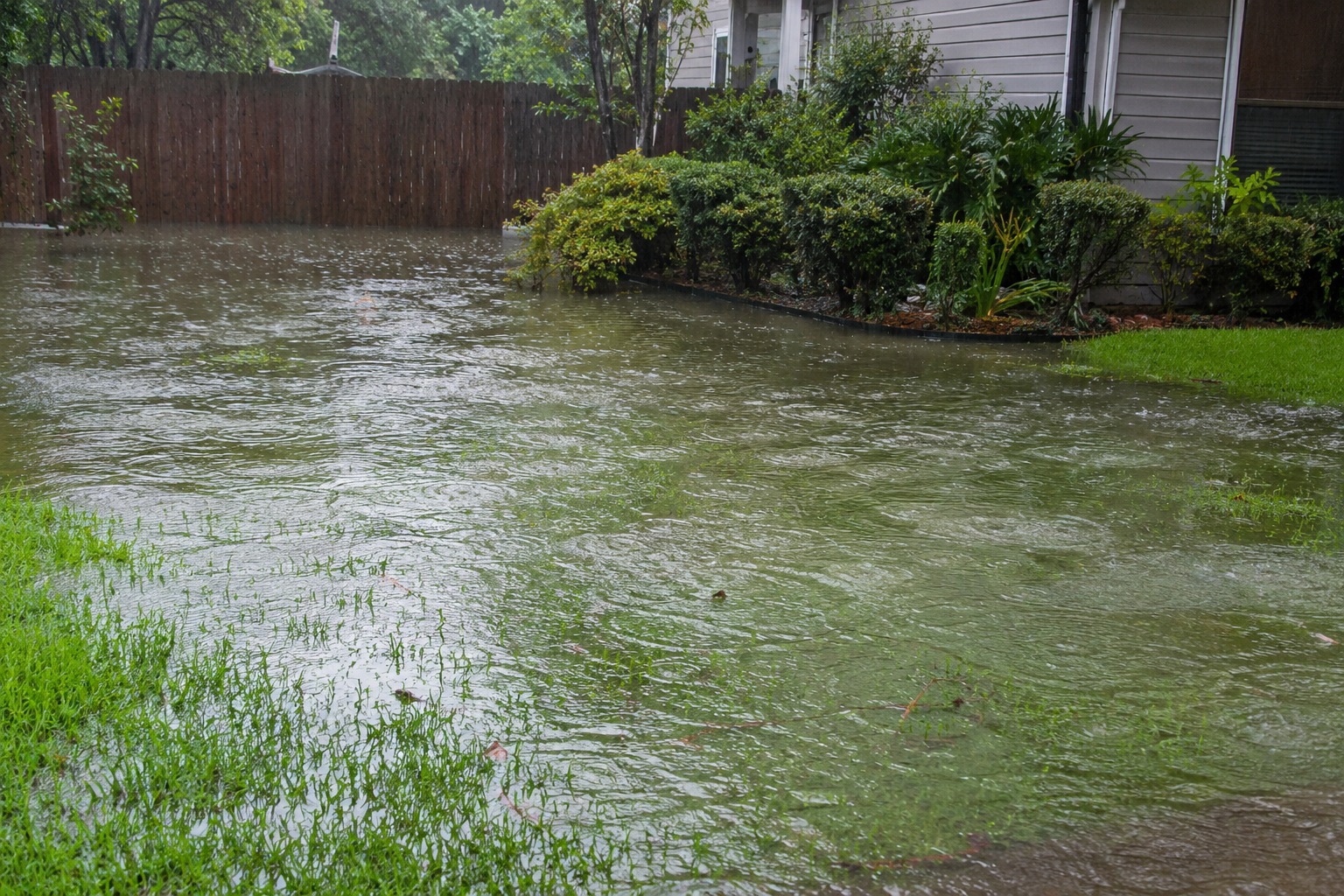
Home insurance can help cover the cost to repair damage to your house, other structures, and your personal property in certain cases. But not all types of damage are covered under most policies. That can leave you in deep water, quite literally, if something happens. For instance, repair costs can be astronomical if your home experiences damage from a sewer backup or surface flooding. Understanding policy exclusions, and adding endorsements or separate policies as needed, can help make sure you’re protected.
What Does Your Home Insurance Policy Cover?
Most homeowners policies have an HO-3 form, which covers the house (known in the industry as “the dwelling”), other structures such as detached garages and sheds, and personal property. This type of coverage pays for repairs if your home’s structure is damaged by any peril that isn’t listed as an exclusion.
With an HO-3, your personal property is only covered for “named perils,” which include things like fire; smoke; lightning; wind; hail; vandalism; theft, damage from vehicles or aircraft; falling objects, ice and snow; and water damage.
But here’s where it gets confusing. Water damage includes damage caused by things like a burst pipe. It typically doesn’t cover:
- Sewer or drain back-ups
- Flood damage
- Water damage caused by slow leaks, neglect or disrepair
The following examples can help you understand the difference in water damage caused by sudden events or those caused by disrepair.
Example #1: If a storm knocks down a tree branch, which lands on your roof and makes a hole, and rainwater comes in, damage to your roof, ceiling, walls and carpeting would most likely be covered. Wind, storms, falling objects, and water damage to your home’s structure are all events covered under most HO-3 policies. Your home furnishings wouldn’t be covered, however.
Example #2: Normal wear-and-tear or neglect that leads to home or property damage isn’t covered. For example, if your roof has a slow leak and water seeps into your home and stains your ceiling drywall every time it rains, that won’t be covered.
Flood damage and sewage damage claims may require separate policies or endorsements to your current policy.
An HO-5 Policy Expands Coverage for Personal Property
An HO-5 offers more comprehensive coverage for your personal property, protecting against “open perils.”
For instance, in Example #1 above, your furniture would also be covered if you had an HO-5.
However, exclusions still apply, and sewer back-ups are one common exclusion.
Likewise, you usually won’t find any standard home insurance policy that covers flood damage to your personal property or the home’s structure, regardless of the cause of the flood.
Understanding the different types of water damage and the coverage you need can help prevent an expensive catastrophe.
What Is an Exclusion?
Simply put, an exclusion on your insurance policy is an event or peril that isn’t covered by your standard policy. Reading your policy exclusions carefully can help you understand where you face coverage gaps.
You may be able to fill that coverage gap with a different type of insurance policy or with an endorsement to your home insurance.
What Is An Endorsement?
An endorsement on a home insurance policy adds coverage for a fee. Common endorsements include:
- Service line or equipment breakdown: Covers electric failures within the home or failure of utility pipes and cables housed underground
- Scheduled personal property: Expands coverage for personal property, which could mean increasing coverage limits or adding coverage for high-value items
- Sewer and drain back-up / water back-up / sump pump: Covers damage caused by water backups, including sewers, drains and sump pumps
How a Sewer Back-up Endorsement Can Save You Money
When a sewer backs up, it creates not just a mess but a public health hazard. Sewage backups are considered Category 3 “black water” events, according to the Upper Restoration Pricing Guide. A sewer backup can damage floors, subfloors, and walls to the point where a home might need mold remediation.
Cleanup must take place by licensed contractors in full hazmat gear and includes EPA-registered disinfectant protocols.
If you think that sounds expensive, you’re right.
UpperRestoration.com quotes prices from $2,000 up to $20,000 for the New York City metro area. The cost depends on:
- The square footage of the affected rooms
- What’s been damaged (cleaning up a tile floor will cost less than replacing carpeting and subfloor),
- Additional treatments required (such as mold remediation)
- Reconstruction (once everything is cleaned and removed, you’ll want your home restored to its former condition)
- Calls on evenings, weekends, or holidays
An inexpensive endorsement, or rider, to your policy can save you thousands in this worst-case scenario. A water backup and sump overflow endorsement, sometimes called a sewer back-up add on, costs between $50 to $150 per year and may cover these events for up to $25,000.
Flood Damage
Flood damage is excluded in both open perils and named perils policies. Many homeowners purchase a separate flood insurance policy to protect against this risk.
If you live in a low-risk area, you may be able to purchase an affordable flood endorsement as an add-on to your home insurance policy.
But if you’re in a designated flood zone, your mortgage company may require flood insurance to protect their investment. Even if your home is paid in full, it might be worth it to take out flood insurance.
Flood Damage vs. Water Damage
You might be wondering why flood damage doesn’t count as water damage.
After all, a flood is water.
But floods are high-risk events that carry tremendous costs across widespread areas when they occur. Insurance companies can’t take on that risk under normal circumstances. Insurance companies have a very specific definition of flooding vs. water damage:
- Flood water comes from the ground or outside and rises
- “Water damage” comes from inside your property, such as a burst pipe or overflowing toilet, or from above, such as rain coming through a roof
Important note: Flood insurance does not cover sewage damage.
Do You Need Flood Insurance to Protect Your Home?
While some areas of the US face a higher risk of flooding than others, 99% of all counties have had a flood, according to data from the National Flood Insurance Program (NFIP). An inch of floodwater can cause $25,000 or more in damage to your home. Between 2020 and 2024, the average claim payment from NFIP exceeded $82,000
Even if you aren’t in a high-risk area, flood insurance can be a smart investment.
Flood insurance covers your home and its contents from damage caused by rising waters. Homeowners can choose from a policy through NFIP, which writes the majority of policies, or a private policy, which may cost less.
Homeowners in regions that don’t have a high risk of flooding may be able to purchase an endorsement to their standard home insurance policy to cover flood damage.
Conclusion: The Right Policy Can Protect Your Investment in Your Home
Knowing what endorsements and exclusions your home insurance has can save you stress if you have to file a claim. Having the right add-ons, like a sewer backup endorsement, can save you thousands of dollars if an incident occurs.
Many homeowners would also benefit from a flood endorsement or even a separate flood insurance policy, whether or not its required by their mortgage provider. Flood insurance from NFIP costs an average of less than $100 per month, while private policies can cost even less, according to US News & World Report. As changing weather patterns make floods more common in inland regions, it’s an investment worth considering.
Sources:
The information provided on this website is for general informational and educational purposes only and should not be considered legal, financial, or insurance advice. While we strive to keep content accurate and up to date, insurance laws, policies, and regulations can vary by state and may change over time.
Nothing on this site constitutes professional advice or a recommendation of any specific insurance product, provider, or strategy. You should consult with a licensed insurance agent, financial advisor, or legal professional regarding your individual situation before making any decisions.
https://www.allstate.com/resources/home-insurance/water-damage
www.allstate.com/resources/what-is-an-insurance-endorsement
https://www.usnews.com/insurance/flood-insurance-cost
https://www.floodinsuranceguru.com/flood-insurance-pricing-2025